
AI-first engineerCzechia, remote

I build software with coding agents.

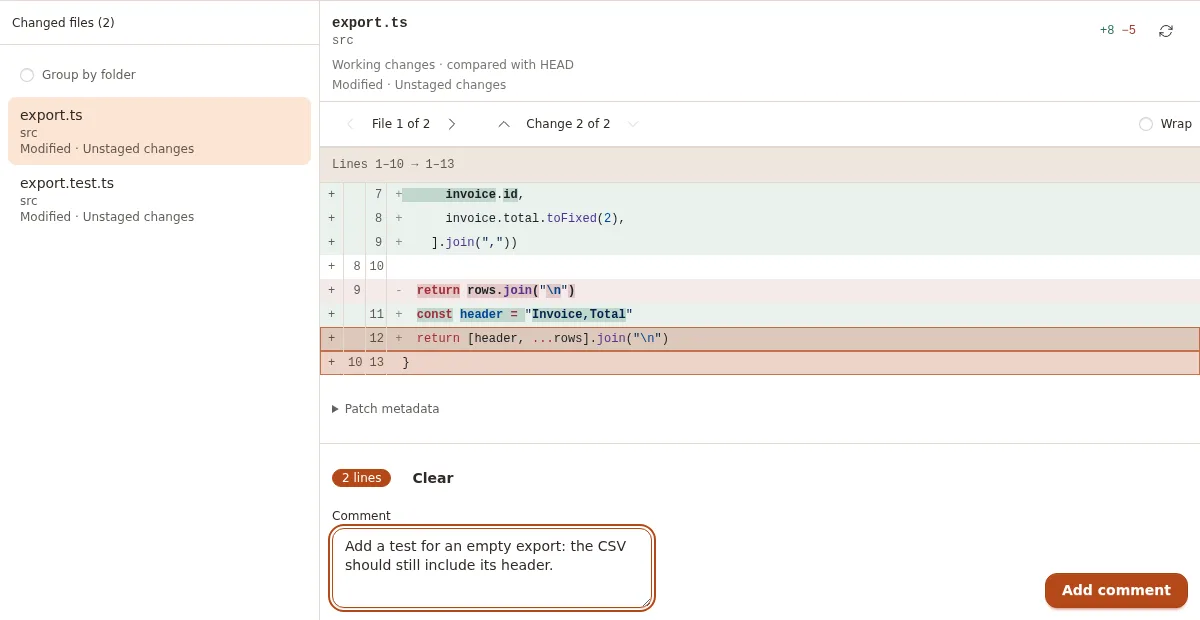
I’m Petr Klíma. I’m building Grindhouse, a fully remote environment for running and supervising coding agents on your own machines from any browser. All of its code is agent-written, and nearly all of it was produced through Grindhouse itself. Before that I shipped agent platforms and marketplaces as a senior developer and CTO.

See the workHow I work

shipping software since
2008
of Grindhouse code written by agents
100%
of Grindhouse built through Grindhouse
~99%
agent products in production
2

Selected work

Products where an agent is the feature, not a sidebar.

Two agent products in production and a marketplace that learned to see. All work

January—September 2026 · Senior Developer

Layer

An agent platform that organises a salesperson’s whole working day, from account suggestions and coaching to live guidance on calls. I worked on the core agent loop, context handling, integrations with Salesforce, HubSpot, Salesloft, Gong, Slack, Gmail and calendars, billing for units of agent work, briefs and post-call automation.

  • Agent loop
  • CRM and sales-tool integrations
  • Live call assist
  • Usage-based billing

2017—2026 · CTO, later Technical Lead

Paperclip

A consumer marketplace I helped build twice: first as CTO building the team and architecture, then returning to ship AI features such as item identification and listing generation from photos, and virtual try-on.

  • Marketplace
  • Computer vision
  • Payments
  • Google Cloud

How I work

Agents write the code. I review, test and ship it.

Implementation is no longer the slow part, so my attention goes to defining the work, reviewing it, and testing it independently. The full process and tooling

  1. Research and context

    Explore the problem, the existing system and its constraints, and gather the information the implementing agent will need. Most failed agent runs trace back to this step being skipped.

  2. Architecture and vertical slices

    Split higher-impact work into small end-to-end increments that can be exercised before the next one expands them.

  3. Implementation and review

    Agents write the code. I read the changes for defects, unnecessary complexity, and structures that do not fit the system.

  4. Independent application testing

    A separate agent uses the application through browser or computer-use tools. It can inspect code and logs when blocked, then reports what it found.

  5. Issue routing and judgment

    Clear issues go back to the development agent with context. Ambiguous reports get a second model’s opinion before I decide what changes.

Contact

Building something that runs an agent in production?

I’m happy to compare notes, review an architecture, or talk about working together.

hello@petrklima.devOther ways to reach me